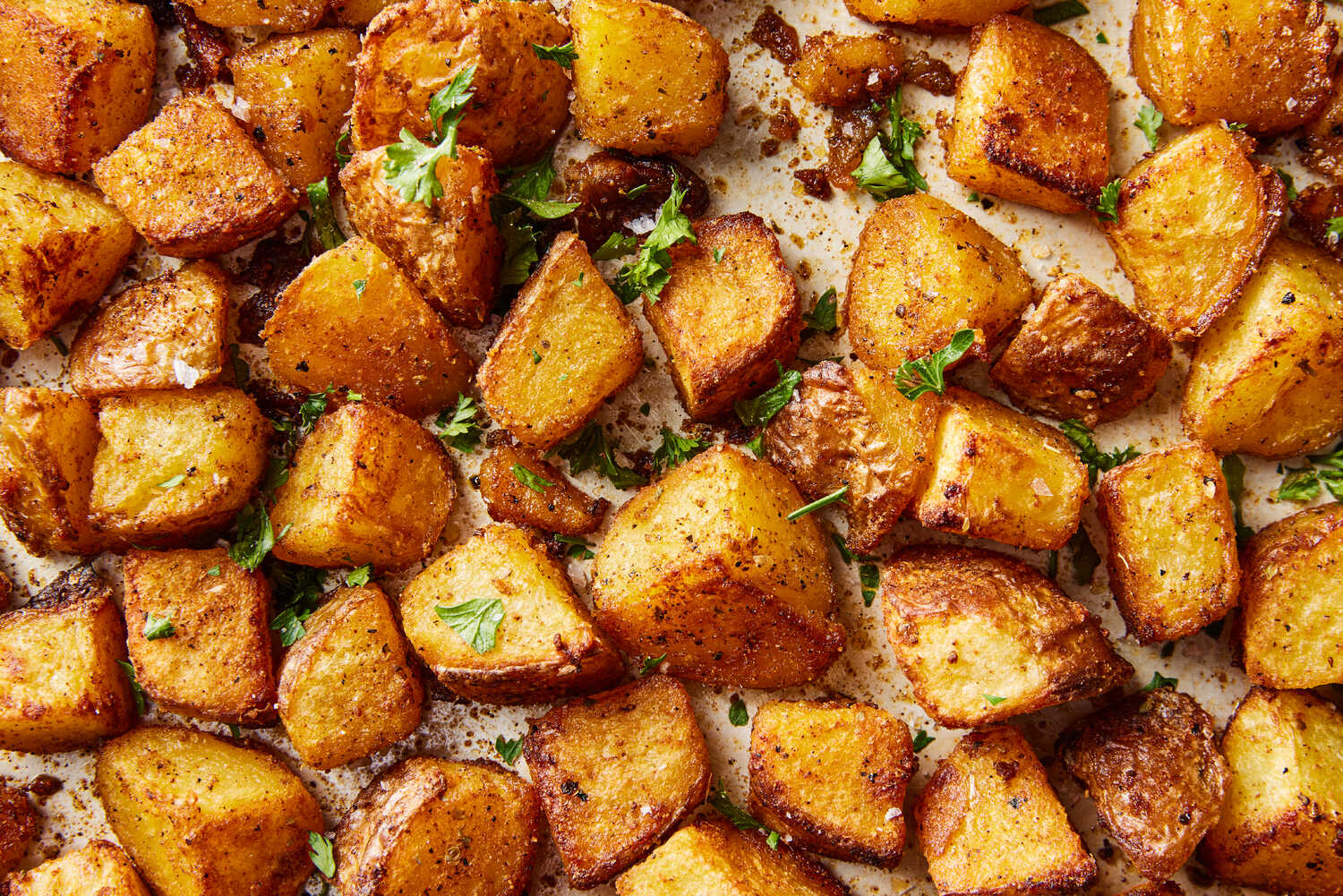
Secrets to Making the Best Restaurant-Style Breakfast Potatoes
There’s something undeniably special about the breakfast potatoes you get at your favorite diner or brunch spot. That perfect balance of crispy exterior, fluffy interior, and savory seasoning seems to elude many home cooks. You try, you really do, but often you end up with either soggy spuds, burnt bits, or unevenly cooked chunks. What’s their secret? What makes the best breakfast potatoes so consistently delicious in a professional kitchen, and how can you replicate that magic at home?
The truth is, achieving restaurant-quality breakfast potatoes isn't about a single magic ingredient or a complicated technique. It’s a combination of understanding potato science, mastering a few key preparation steps, and applying the right cooking methods. Forget everything you thought you knew about tossing diced potatoes straight into a hot pan. We’re about to unlock the real secrets to elevating your breakfast game, transforming humble spuds into a culinary masterpiece that will impress even the most discerning brunch enthusiasts. Get ready to discover the definitive guide to making truly exceptional breakfast potatoes right in your own kitchen.
Choosing Your Canvas: The Right Potato Variety
The foundation of any great potato dish starts with selecting the right potato. For the best breakfast potatoes, particularly those with a desired fluffy interior and crispy crust, not all varieties are created equal. Different potatoes have varying starch and moisture content, which directly impacts their texture once cooked.
- Russet Potatoes (Baking Potatoes): These are often the top choice for restaurant-style breakfast potatoes. Their high starch content and relatively low moisture make them excellent for achieving that coveted fluffy interior. When fried, their rough texture provides more surface area for crisping up. They absorb flavors beautifully.
- Yukon Gold Potatoes: A good all-rounder, Yukon Golds offer a creamier texture and slightly less starch than Russets. They hold their shape well and develop a lovely golden crust. If you prefer a slightly softer, buttery interior, these are a fantastic option.
- Red Potatoes: These are waxy potatoes with a firm texture, holding their shape exceptionally well. While delicious for roasted or boiled dishes, their lower starch content means they tend to be less fluffy inside and may not achieve the same level of crispiness as Russets or even Yukon Golds for breakfast potatoes.
Our recommendation for classic, crispy-on-the-outside, fluffy-on-the-inside breakfast potatoes? Russet potatoes. They are the undisputed champions for this particular preparation. Once you've chosen your potato, uniform cutting is paramount. Whether you prefer a small dice, a larger cube, or wedges, ensure all pieces are roughly the same size. This consistency guarantees even cooking, preventing some pieces from burning while others remain undercooked.
The Undeniable Secret: Par-Boiling and Drying for Perfect Texture
If there's one step that separates home cooks from professional chefs when it comes to breakfast potatoes, it's this: the par-boil. This isn't just an optional extra; it's a fundamental technique that ensures both a tender interior and an incredibly crispy exterior. Think of it as a pre-cooking stage that sets your potatoes up for success.
Why Par-Boiling is Non-Negotiable
Par-boiling (partially boiling) your potatoes before frying achieves several crucial things:
- Pre-Cooks the Interior: Boiling softens the potato's internal structure, ensuring it's fully cooked and wonderfully fluffy by the time the exterior is golden and crisp. This eliminates the risk of a raw or firm center.
- Activates Starches: The hot water gelatinizes the starches on the potato's surface. When these starches cool and then hit hot oil, they create a much crunchier, more robust crust.
- Removes Excess Starch: A quick rinse and boil help to remove some of the surface starch, which can otherwise lead to a gummy texture rather than a crisp one.
The Process:
- Cut your chosen potatoes into uniform pieces (e.g., 1/2-inch cubes).
- Place them in a pot of cold, salted water. Starting with cold water allows the potatoes to cook more evenly as the water heats up.
- Bring the water to a boil, then reduce heat and simmer until the potatoes are just tender when pierced with a fork, but not falling apart. This usually takes 5-8 minutes, depending on the size of your dice. They should still hold their shape.
- Drain the potatoes thoroughly in a colander.
The Critical Drying Step
Once par-boiled, the next vital step is drying the potatoes completely. Any residual moisture will steam the potatoes in the pan instead of crisping them, leading to a soggy result. Spread the drained potatoes in a single layer on a baking sheet lined with paper towels or a clean kitchen towel. Allow them to air dry for at least 10-15 minutes, or gently pat them dry. Some chefs even pop them into a warm oven (around 250°F / 120°C) for a few minutes to ensure they are bone-dry.
This drying process, combined with the par-boil, is a game-changer. For an even deeper dive into achieving that perfect crunch, be sure to read our guide on Master the Art of Crispy Breakfast Potatoes at Home.
Flavor Mastery: Seasoning and Aromatic Infusion
While texture is crucial, the best breakfast potatoes also boast incredible flavor. This comes down to not just seasoning, but also how and when you introduce aromatics and other flavor enhancers. Don't underestimate the power of thoughtful seasoning!
The Right Fat Makes a Difference
Your choice of cooking fat significantly impacts the final taste and crispness. A combination is often ideal:
- High Smoke Point Oil: Start with an oil like canola, vegetable, grapeseed, or avocado oil. These can withstand high heat without burning, ensuring your potatoes get a good head start on crisping.
- Butter or Bacon Fat: Once the potatoes begin to crisp, introduce a pat of unsalted butter or a spoonful of rendered bacon fat. These fats add layers of rich, savory flavor that take your potatoes from good to extraordinary. Add them towards the middle or end of cooking to prevent the butter from burning.
Aromatics for Depth
Restaurant-style breakfast potatoes rarely rely on just salt and pepper. Incorporating aromatics infuses them with profound flavor:
- Onion: Finely diced yellow or white onion adds sweetness and a pungent kick. Add it to the pan once the potatoes have started to brown, allowing it to soften and caramelize alongside the potatoes without burning.
- Garlic: Minced garlic offers an unmistakable aromatic punch. Add it towards the very end of cooking (last 2-3 minutes) to prevent it from burning and turning bitter.
- Bell Peppers: For a classic diner feel, diced green or red bell peppers can be added with the onions, providing a hint of sweetness and fresh flavor.
Seasoning: Don't Be Shy!
Potatoes love salt! Generous seasoning is key. Beyond salt and freshly ground black pepper, consider these additions:
- Paprika: Smoked or sweet paprika adds a beautiful reddish hue and a warm, earthy flavor.
- Garlic Powder/Onion Powder: These provide a concentrated flavor boost, especially good if you're not using fresh aromatics.
- Dried Herbs: A pinch of dried rosemary or thyme can elevate the flavor profile. Add these early on to allow their flavors to bloom in the hot oil.
- Cayenne Pepper or Chili Flakes: For a touch of heat, a sprinkle of either can add a welcome kick.
Season your potatoes lightly before frying, then adjust at the end. A final sprinkle of flaky sea salt just before serving can also enhance the crunch and taste.
Mastering the Pan: Cooking Techniques for Restaurant Perfection
You’ve chosen the right potato, par-boiled, dried, and planned your flavor profile. Now comes the moment of truth: the actual cooking. Proper pan technique is crucial for achieving that consistent, golden-brown crust and ensures you create the best breakfast potatoes every single time.
Pan Choice and Heat Management
- Heavy-Bottomed Pan: A cast-iron skillet or a heavy-bottomed stainless steel pan is ideal. These pans retain heat exceptionally well and distribute it evenly, which is essential for uniform browning. A non-stick pan can work, but cast iron truly delivers superior crispness.
- Don't Overcrowd the Pan: This is arguably one of the most common mistakes home cooks make. Potatoes need space to breathe and crisp up. If you pack too many into the pan, they will steam instead of fry. Cook in batches if necessary, using enough oil to coat the bottom of the pan generously.
- Medium-High Heat: Preheat your pan and oil over medium-high heat until the oil is shimmering. Adding potatoes to a cold or lukewarm pan will result in oil absorption and sogginess.
The Frying Dance: Patience and Purposeful Flipping
Once your perfectly prepped and dried potatoes hit the hot oil, resist the urge to constantly stir them. This is where patience pays off.
- Initial Sear: Spread the potatoes in a single layer. Let them cook undisturbed for 5-7 minutes until a beautiful golden-brown crust forms on the bottom. You should hear them sizzling vigorously.
- First Flip: Use a spatula to gently flip and toss the potatoes, turning over the browned sides. Don't worry about flipping every single piece individually; a good scrape and turn will suffice.
- Continue Browning: Repeat the process, allowing the potatoes to cook undisturbed for another 5-7 minutes to develop a crust on the newly exposed sides. Continue to flip and cook until all sides are golden brown and crispy to your liking. This process might take 20-30 minutes in total, depending on your heat and the potato size.
- Add Aromatics (Timing is Key): If using fresh onions and bell peppers, add them once the potatoes have developed a good amount of browning (about halfway through cooking). If using minced garlic, add it in the last 2-3 minutes to prevent burning.
- Finish with Flavor: Once potatoes are perfectly crispy, remove them from the heat. A splash of apple cider vinegar or lemon juice at the very end can brighten the flavors and add a subtle tang, much like a professional chef would do. Garnish with fresh chopped parsley or chives.
These precise techniques are why many consider our methods to create Why Our Crispy Breakfast Potatoes Are Simply the Best. Following these steps ensures not just a meal, but an experience!
Conclusion
Mastering the best breakfast potatoes at home is entirely within your reach. It’s a journey from simply cooking potatoes to truly understanding them. By meticulously selecting the right variety, embracing the transformative power of par-boiling and thorough drying, artfully infusing them with aromatic flavors, and employing precise cooking techniques, you can consistently achieve that coveted restaurant-quality result. No more soggy or undercooked spuds; only perfectly crispy exteriors yielding to delightfully fluffy interiors, bursting with savory goodness. These aren't just potatoes; they're a testament to culinary patience and attention to detail. So, grab your skillet, sharpen your knife, and prepare to elevate your breakfast game. Your family and friends will thank you for unlocking these secrets, one crispy, flavorful bite at a time.
