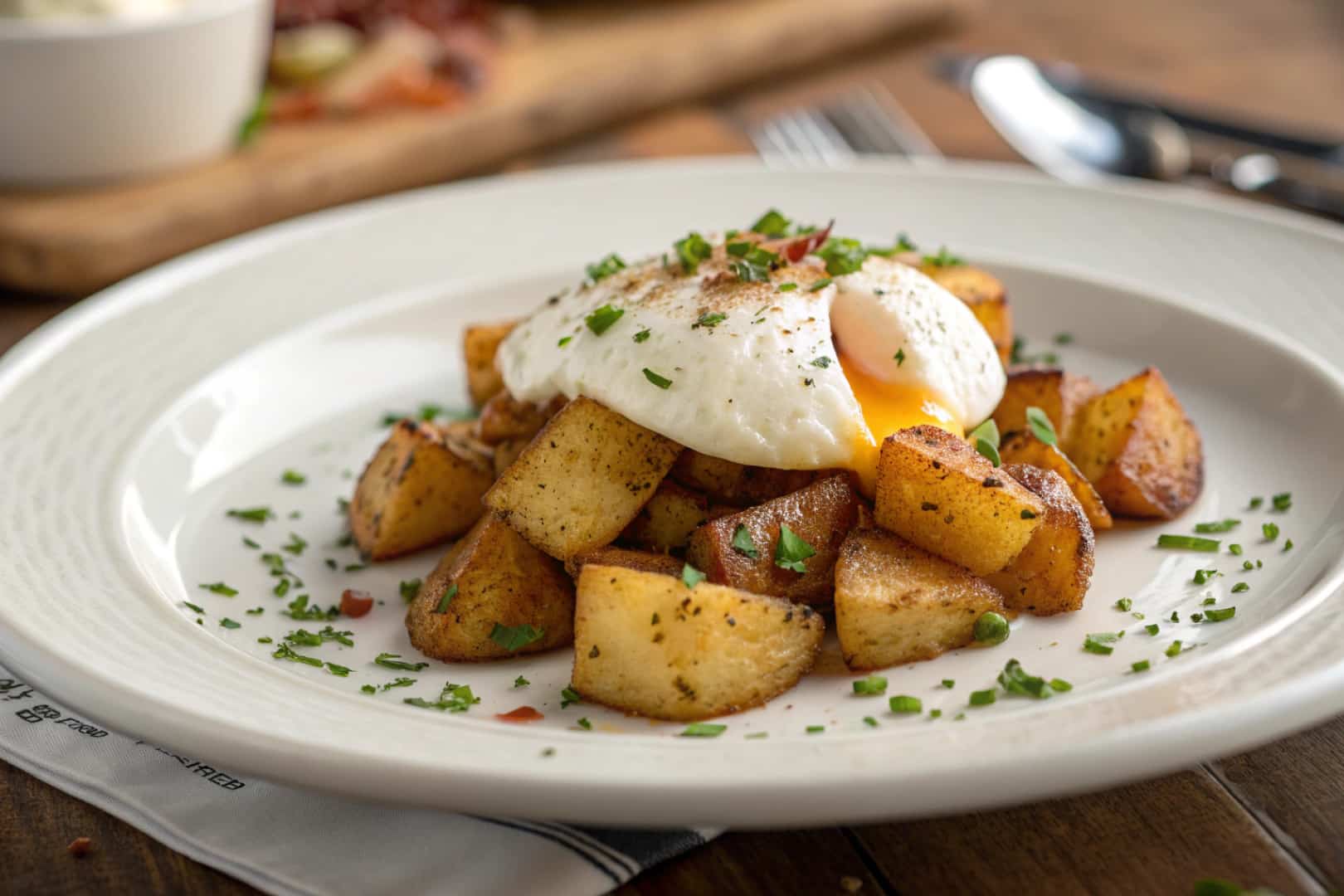
There's a universal truth in the culinary world: a truly great breakfast isn't complete without a side of perfectly crispy breakfast potatoes. Forget the soggy, bland, or undercooked versions you might have encountered. We're talking about that golden-brown exterior, the satisfying crunch, and the tender, fluffy interior that melts in your mouth. Mastering this breakfast staple isn't just about frying diced potatoes; it's an art form, a science, and a journey to achieving what many consider to be the best breakfast potatoes imaginable, right in your own kitchen.
This comprehensive guide will walk you through every critical step, from selecting the right spuds to the nuanced techniques that elevate your home-cooked potatoes to restaurant-quality status. Prepare to transform your breakfast experience and impress everyone at your table.
The Quest for Perfect Crispy Breakfast Potatoes: What Makes Them "The Best"?
Before we dive into the 'how,' let's define the 'what.' What makes a batch of breakfast potatoes truly stand out? It's a delicate balance of textures and flavors. You want a pronounced crispiness on the outside – almost like a shatter – but without being hard or dry. The inside should be soft, creamy, and fully cooked, never starchy or raw. Flavor-wise, they should be well-seasoned, savory, and perhaps with a hint of garlic, onion, or paprika, complementing rather than overpowering the natural potato taste.
Many home cooks struggle to achieve this ideal, often ending up with potatoes that are too soft, too greasy, or unevenly cooked. The secret lies in understanding potato science and applying specific cooking methods that ensure consistent results every time. Forget everything you thought you knew about tossing cold potatoes into a pan. We're about to unlock the true potential of this humble side dish, leading you directly to making Secrets to Making the Best Restaurant-Style Breakfast Potatoes you've ever tasted at home.
Essential Ingredients and Tools for Success
Great results start with great ingredients and the right equipment. Here's what you'll need to prepare for making the best breakfast potatoes:
Key Ingredients:
- Potatoes: Russet potatoes are often considered the top choice for their high starch content, which yields a fluffy interior and a super crispy exterior. Yukon Golds are a good alternative if you prefer a slightly creamier texture and a richer, buttery flavor. Avoid waxy potatoes (like red or new potatoes) as they won't achieve the same crispness.
- High Smoke Point Oil: Vegetable oil, canola oil, grapeseed oil, or avocado oil are excellent choices. Olive oil has a lower smoke point and can burn, imparting a bitter flavor, so it's generally not recommended for high-heat frying.
- Seasonings:
- Salt: Essential for flavor. Use kosher or sea salt.
- Black Pepper: Freshly ground is always best.
- Garlic Powder & Onion Powder: These provide a foundational savory flavor without the risk of fresh garlic or onion burning.
- Paprika (Optional): Adds a lovely color and a subtle smoky or sweet flavor.
- Fresh Herbs (Optional Garnish): Chopped parsley, chives, or rosemary can brighten the finished dish.
Recommended Tools:
- Large, Heavy-Bottomed Skillet: A cast-iron skillet is ideal because it retains and distributes heat incredibly well, leading to more even browning and crisping. A good quality stainless steel pan will also work.
- Large Mixing Bowl: For rinsing and seasoning potatoes.
- Slotted Spoon or Spider: For easily transferring blanched potatoes.
- Spatula: Preferably a sturdy metal one for flipping and scraping.
- Paper Towels: Absolutely crucial for drying potatoes and draining excess oil.
- Colander: For draining water after blanching.
Step-by-Step Guide to Achieving Unbeatable Crispiness
This is where the magic happens. Follow these steps precisely, and you'll be on your way to creating the best breakfast potatoes you've ever had.
Step 1: Choosing and Preparing Your Potatoes
- Choose Your Spud: Opt for Russets for ultimate crispiness and fluffiness, or Yukon Golds for a creamier texture.
- Peel (or Don't): While often peeled, leaving the skin on can add a rustic touch and extra fiber. Just scrub them very well if keeping the skin.
- Dice Uniformly: Cut your potatoes into roughly ½-inch to ¾-inch cubes. Uniformity is key here for even cooking. Irregularly sized pieces will lead to some being overcooked and others undercooked.
- Rinse Away Starch: Place your diced potatoes in a large bowl and cover them with cold water. Swish them around with your hands until the water turns cloudy. Drain and repeat this process 2-3 times until the water remains relatively clear. This step is critical as it removes excess surface starch, which is the enemy of crispiness.
- Dry, Dry, Dry: After rinsing, spread the potatoes in a single layer on several layers of paper towels or a clean kitchen towel. Pat them thoroughly dry. Any residual moisture will steam the potatoes instead of frying them, preventing that coveted crisp crust. This is arguably the most important step for ultimate crispiness!
Step 2: The Blanched & Par-Cook Method (Our Secret Weapon)
This pre-cooking step is a game-changer and a technique used by many professional chefs to guarantee a tender interior and a head start on crisping.
- Blanch: Bring a large pot of salted water to a rolling boil. Add your dried potato cubes and boil them for 5-7 minutes. You want them to be slightly tender but still firm, not mushy. They should be cooked about 70-80% of the way through.
- Drain and Dry (Again): Immediately drain the blanched potatoes in a colander. Gently spread them out on a clean baking sheet lined with paper towels or a wire rack. Allow them to air dry and cool for at least 10-15 minutes. The steam needs to escape, and they need to be as dry as possible before hitting the hot oil. This step creates a rougher surface, perfect for crisping.
Step 3: Seasoning for Flavor Perfection
While the potatoes are air-drying and cooling, this is the perfect time to season them.
- In a large bowl, toss the par-cooked potatoes with a generous amount of your chosen oil (about 2-3 tablespoons, ensuring they are lightly coated but not swimming).
- Sprinkle generously with salt, black pepper, garlic powder, onion powder, and paprika (if using). Toss well to ensure every potato piece is evenly coated.
Step 4: The Searing & Browning Process
Now, for the final crisping.
- Heat the Pan and Oil: Place your large cast-iron or heavy-bottomed skillet over medium-high heat. Add enough high smoke point oil to cover the bottom of the pan by about ¼ inch (approximately 3-4 tablespoons). Heat until the oil is shimmering and a test potato piece sizzles immediately when added.
- Don't Crowd the Pan: This is another crucial rule! Add only enough seasoned potatoes to cover the bottom of the pan in a single layer, with a little space between them. If you crowd the pan, the temperature will drop, and the potatoes will steam instead of fry, resulting in soggy potatoes. You will likely need to cook them in batches.
- Sear and Resist Flipping: Let the potatoes cook undisturbed for 5-7 minutes until a beautiful golden-brown crust forms on the bottom. Resist the urge to poke or flip them too early!
- Flip and Continue: Using your spatula, flip the potatoes to another side. Continue cooking, flipping every 5-7 minutes, until all sides are deeply golden brown and crispy. This process can take 15-25 minutes in total, depending on your heat and batch size.
Step 5: Finishing Touches and Serving
Once all batches are cooked, transfer them to a plate lined with paper towels to drain any excess oil. If desired, lightly salt them again immediately after removing from the pan. Garnish with fresh herbs if using.
Advanced Tips & Tricks for Elevating Your Breakfast Potatoes
Want to go from simply good to truly unforgettable? These additional tips will help you refine your technique and make Why Our Crispy Breakfast Potatoes Are Simply the Best.
Don't Crowd the Pan! (Seriously, It's That Important)
We mentioned it before, but it bears repeating: overcrowding is the number one enemy of crispy potatoes. When you add too many potatoes, they release moisture, drop the oil temperature, and effectively steam each other. Cook in batches if necessary, and resist the temptation to pack them in.
Fat Matters: Which Oil to Use?
While high smoke point oils like vegetable, canola, or grapeseed oil are excellent, consider experimenting with rendered bacon fat for an incredibly savory flavor boost. Duck fat is another gourmet option that imparts a rich, luxurious taste and super crisp texture. Just remember to use a fat with a high smoke point.
The Power of Pre-Heating
Ensure your skillet is thoroughly preheated before adding oil, and then ensure the oil is shimmering hot before adding potatoes. This initial burst of high heat creates an instant crust, preventing sticking and kickstarting the crisping process.
Seasoning Beyond Salt & Pepper
While basic seasonings are great, feel free to experiment. Smoked paprika adds depth, cayenne pepper offers a subtle kick, and a pinch of dried rosemary or thyme can introduce an aromatic complexity. For a brighter finish, a squeeze of fresh lemon juice or a dash of vinegar at the very end can cut through the richness.
Add-ins for Extra Flavor
To make your potatoes even more exciting, consider adding other ingredients:
- Onions & Peppers: Sauté diced onions and bell peppers in a separate pan or in the potato pan during the last 5-10 minutes of cooking. Add them once your potatoes are almost fully crispy to prevent them from steaming the potatoes.
- Bacon Bits: Fry up some bacon first, remove it, and then cook your potatoes in the rendered bacon fat for an explosion of flavor. Crumble the cooked bacon back in at the end.
- Cheese: For a cheesy twist, sprinkle shredded cheddar or Monterey Jack over the potatoes during the last minute of cooking, allowing it to melt and form a delicious crust.
Conclusion
Mastering the art of crispy breakfast potatoes at home is not just a skill; it's a superpower that elevates any breakfast or brunch. By understanding the science behind starch, moisture, and heat, and diligently following our step-by-step guide, you can consistently achieve that coveted golden-brown crispness and fluffy interior. Remember the key takeaways: proper potato choice, thorough drying, starch removal, par-cooking, and never overcrowding your pan. With a little patience and these expert techniques, you'll be creating the best breakfast potatoes that rival any diner, cementing your reputation as a breakfast hero. So, grab your potatoes, heat up that skillet, and get ready to indulge in pure crispy potato perfection!
